Understanding Abuse in Relationships: The Power and Control Wheel
Abuse in intimate relationships is not always visible — and it’s not always physical. At its core, abuse is about power and control, and it can show up in many subtle, damaging ways that erode a person’s sense of self-worth, safety, and independence over time.
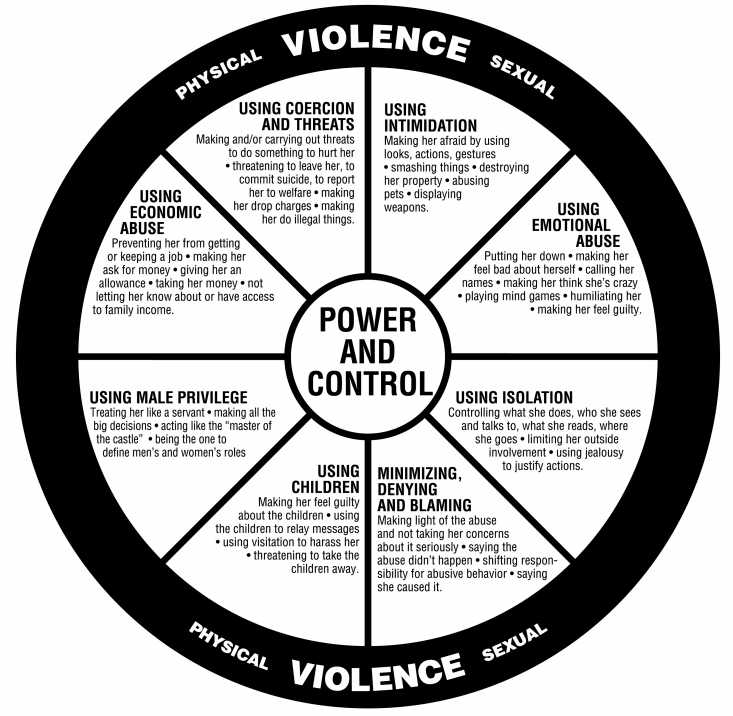
One of the most widely recognized tools to understand this dynamic is the Power and Control Wheel, developed by the Domestic Abuse Intervention Project. This wheel helps illustrate how abusers use a variety of tactics — not just physical violence — to maintain power over their partner.
What the Wheel Teaches Us
The Power and Control Wheel outlines the many forms abuse can take:
Using Coercion and Threats: Making or carrying out threats to hurt, leave, or harm the victim in some way — even threatening to report them to authorities or make them do illegal things.
Using Intimidation: Instilling fear through looks, gestures, smashing things, destroying property, or abusing pets.
Using Emotional Abuse: Undermining the victim’s self-esteem through constant criticism, humiliation, name-calling, and guilt-tripping.
Using Isolation: Cutting off the victim from friends, family, and support systems, or controlling where they go and who they see.
Minimizing, Denying, and Blaming: Downplaying the abuse, denying it happened, or shifting responsibility by blaming the victim.
Using Children: Making the victim feel guilty about the children, using visitation as a way to harass them, or threatening to take the children away.
Using Male Privilege: Acting as the “master of the castle,” making all the decisions, and enforcing traditional gender roles in an oppressive way.
Using Economic Abuse: Controlling financial resources by preventing the victim from working, taking their money, or keeping them in the dark about family finances.
Why It’s Important to Recognize All Forms of Abuse
Many people think of abuse as strictly physical — but emotional, financial, and psychological abuse can be just as harmful and are often precursors to physical violence. Recognizing these behaviors is the first step toward breaking the cycle.
If you recognize any of these patterns in your own relationship — or in someone you care about — please know that help is available.
We’re Here to Support You
At the Law Office of Julie Evert, we understand how complex and overwhelming it can be to leave an abusive relationship, especially when children or finances are involved. Our family law team can help you navigate protective orders, custody arrangements, and divorce proceedings with compassion and strength.
You deserve to feel safe, supported, and heard.
📞 Contact us today to discuss your situation confidentially.